
WHAT HAPPENS DURING WINE HARVEST?

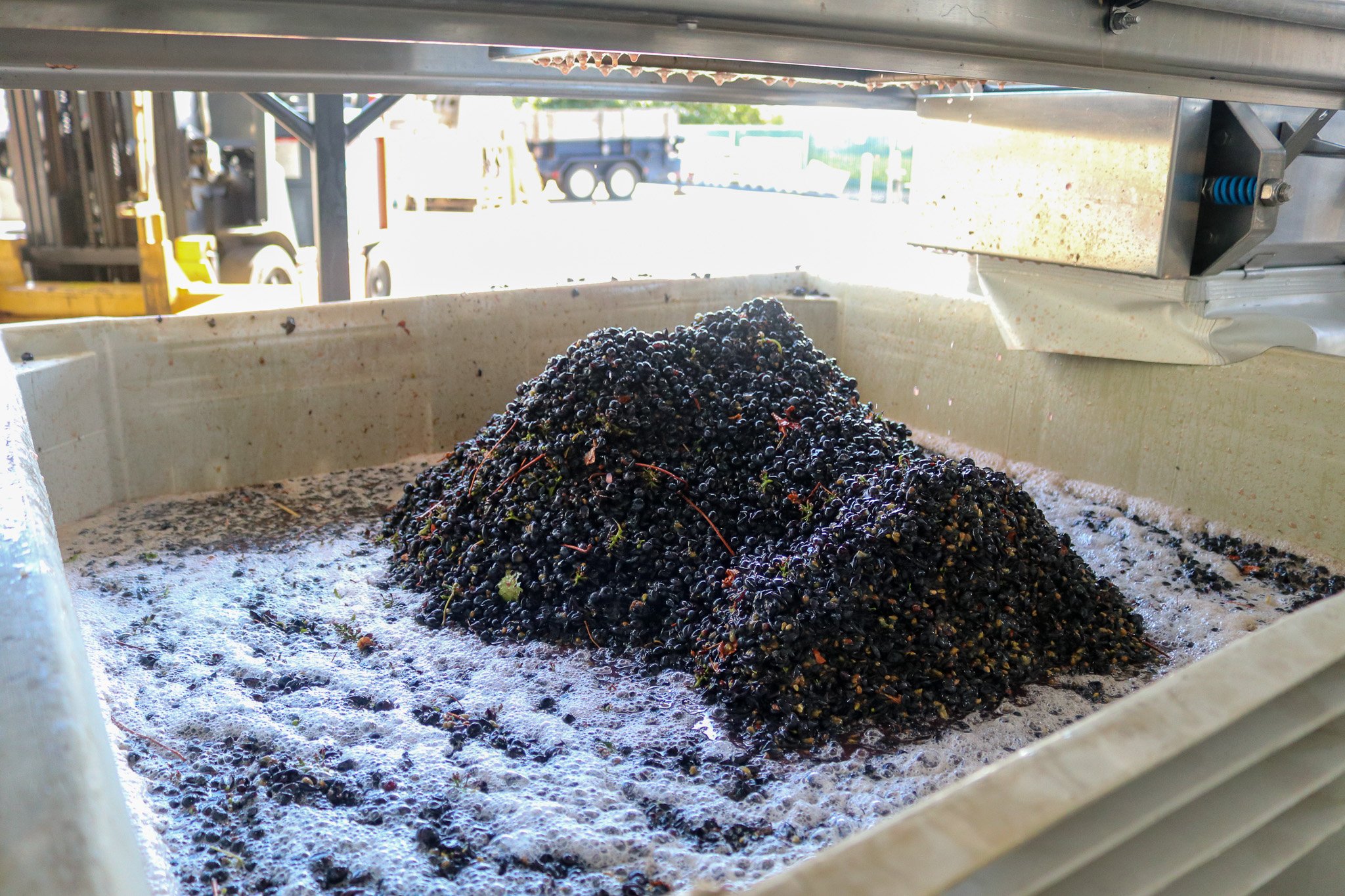
Every bottle of wine begins with a single, important moment: harvest.
Wine harvest is the process of picking ripe wine grapes from the vineyard so they can begin their transformation into wine. In California, harvest typically takes place between August and October, though the exact timing depends on the grape variety, vineyard location, and weather conditions. For winemakers, deciding when to harvest is one of the most important decisions of the entire growing season, as it influences the wine's flavor, acidity, aroma, and overall character.
When Does Wine Harvest Begin?
Harvest doesn't start on the same day every year. Instead, winemakers closely monitor each vineyard throughout the summer, taking samples and measuring sugar levels, acidity, and flavor development.
Warm growing regions may begin harvesting as early as late July or early August, while cooler climates often continue well into October. Different grape varieties also ripen at different times, meaning harvest is a gradual process rather than a single event.
This year’s harvest is one of our earliest Steve has experienced in his entire winemaking career!
How Do Winemakers Know When Grapes Are Ready?
Ripeness is about much more than sweetness.
Before harvest begins, vineyard and winery teams regularly sample grapes to evaluate several key factors:
Sugar levels (Brix): Determines the potential alcohol level after fermentation.
Acidity: Helps create balance, freshness, and age-worthiness in the finished wine.
Flavor development: Winemakers taste the fruit to assess whether flavors have fully matured.
Tannin ripeness: Particularly important for red wines, ripe tannins contribute to smoother texture and structure.
Finding the right balance between these elements helps determine the ideal harvest date.
Why Are Some Grapes Picked at Night?
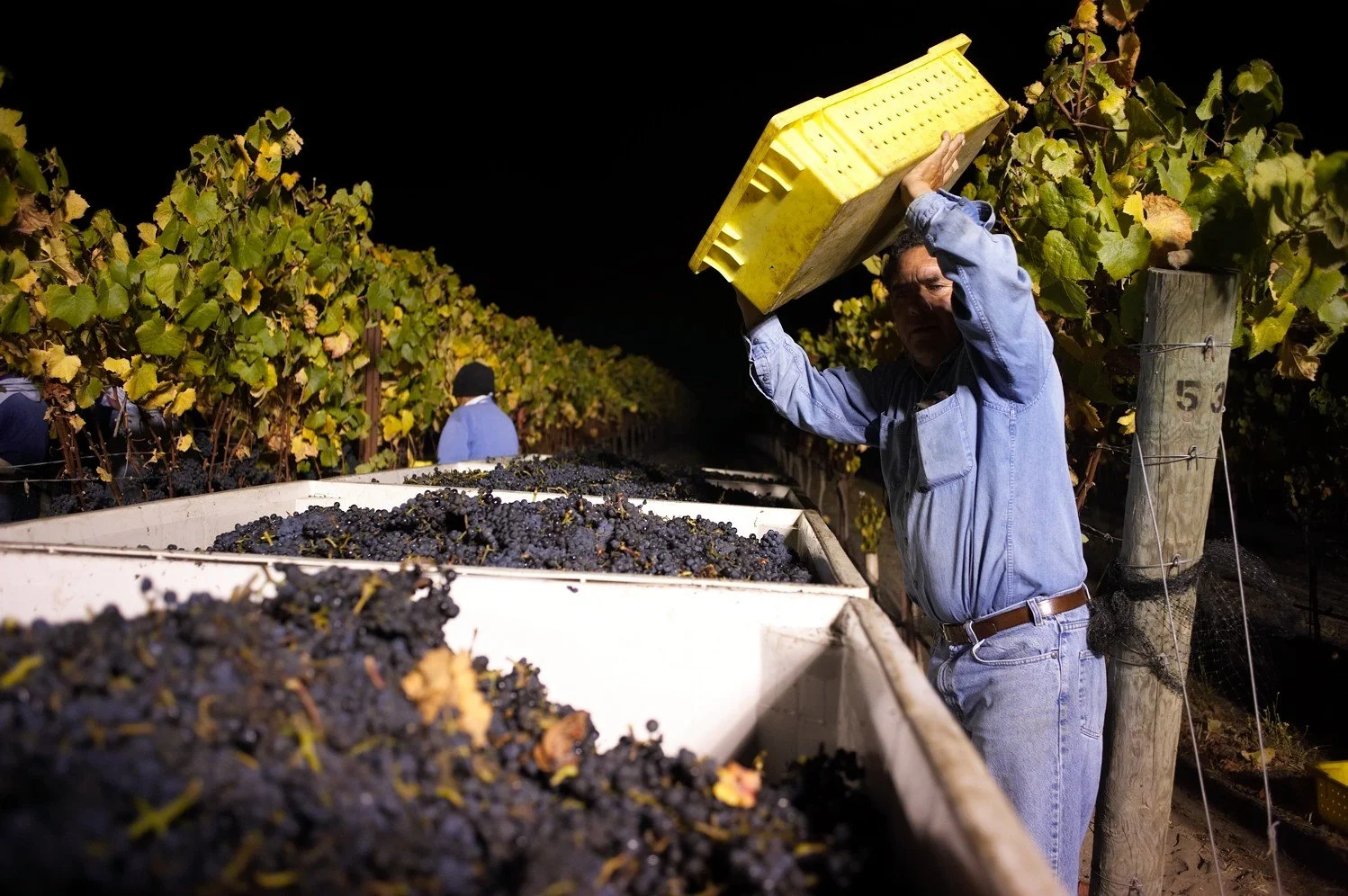
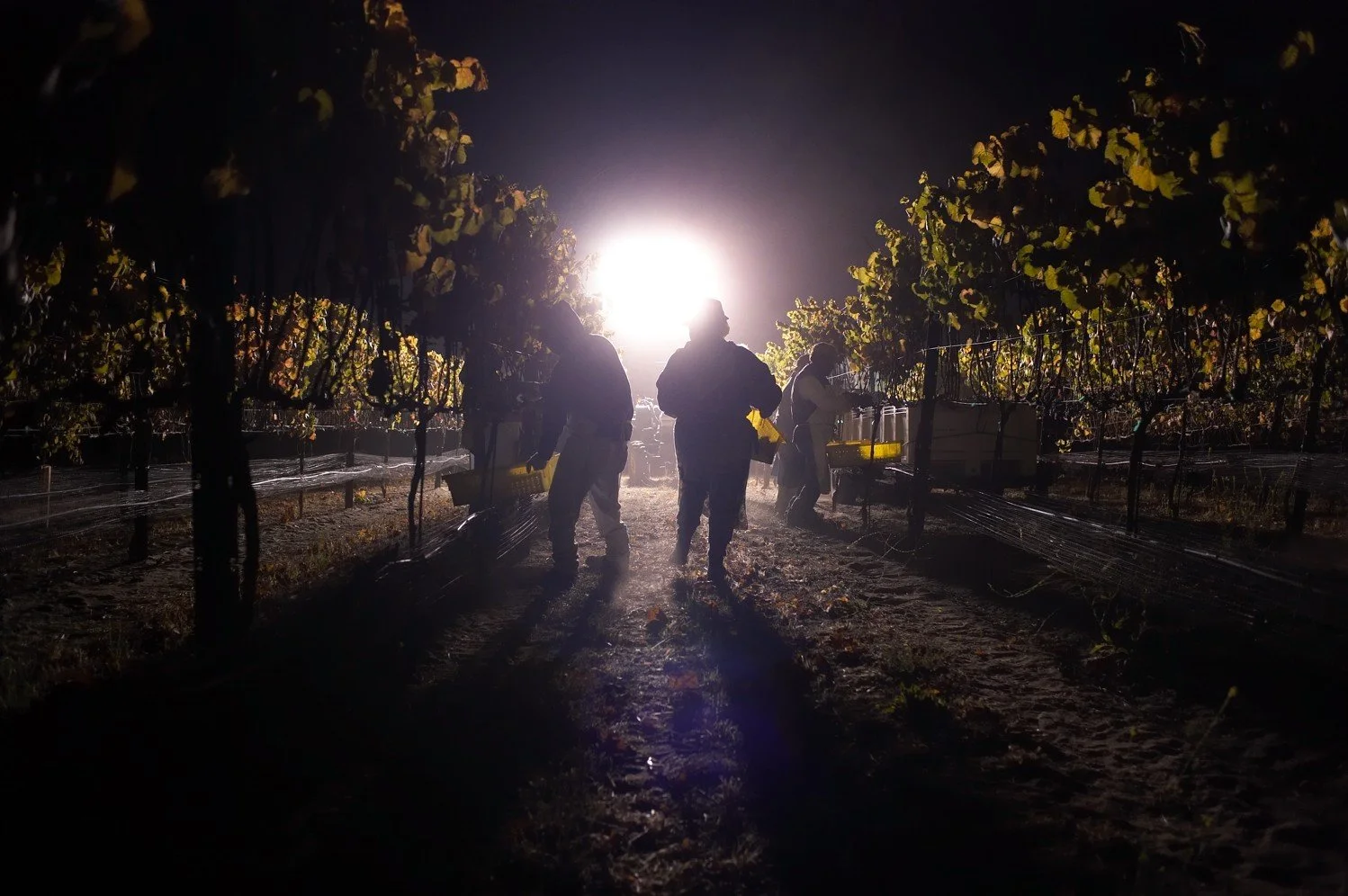
Many wineries harvest during the early morning hours or overnight when temperatures are cooler.
Keeping grapes cool helps preserve their freshness and natural aromas while reducing the risk of unwanted fermentation before the fruit reaches the winery. Cooler fruit is also gentler on winery equipment and often requires less energy to chill before processing.
Hand Harvesting vs. Machine Harvesting
Both harvesting methods have advantages, and the choice often depends on the vineyard, winery, and winemaking style.
Hand harvesting allows crews to carefully select grape clusters and handle the fruit gently, making it a popular choice for premium wines and vineyards with steep terrain or delicate vines.
Machine harvesting is faster and more efficient for larger vineyards, especially when timing is critical. Modern harvesting equipment has become increasingly precise and is widely used throughout many wine regions.
What Happens After the Grapes Arrive at the Winery?
Once harvested, grapes are quickly transported to the winery for processing.
The next steps typically include:
Sorting the fruit to remove leaves or damaged clusters.
Destemming, depending on the style of wine being produced.
Crushing or gently pressing the grapes.
Beginning fermentation, where yeast converts natural grape sugars into alcohol.
Aging the wine in stainless steel tanks, oak barrels, or other vessels before bottling.
While every winery follows its own techniques, these early decisions help shape the wine's final style and personality.
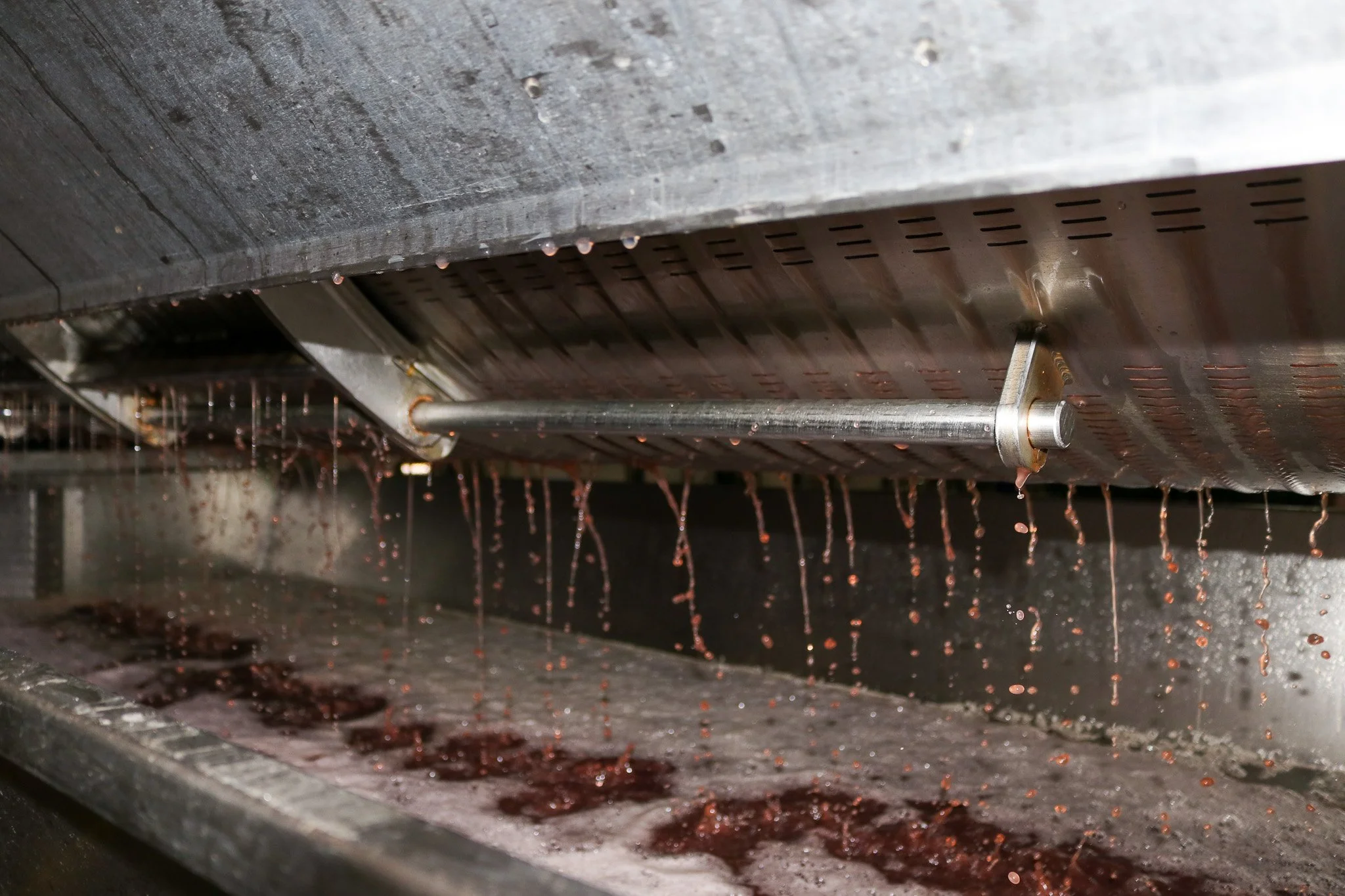
Why Harvest Timing Matters
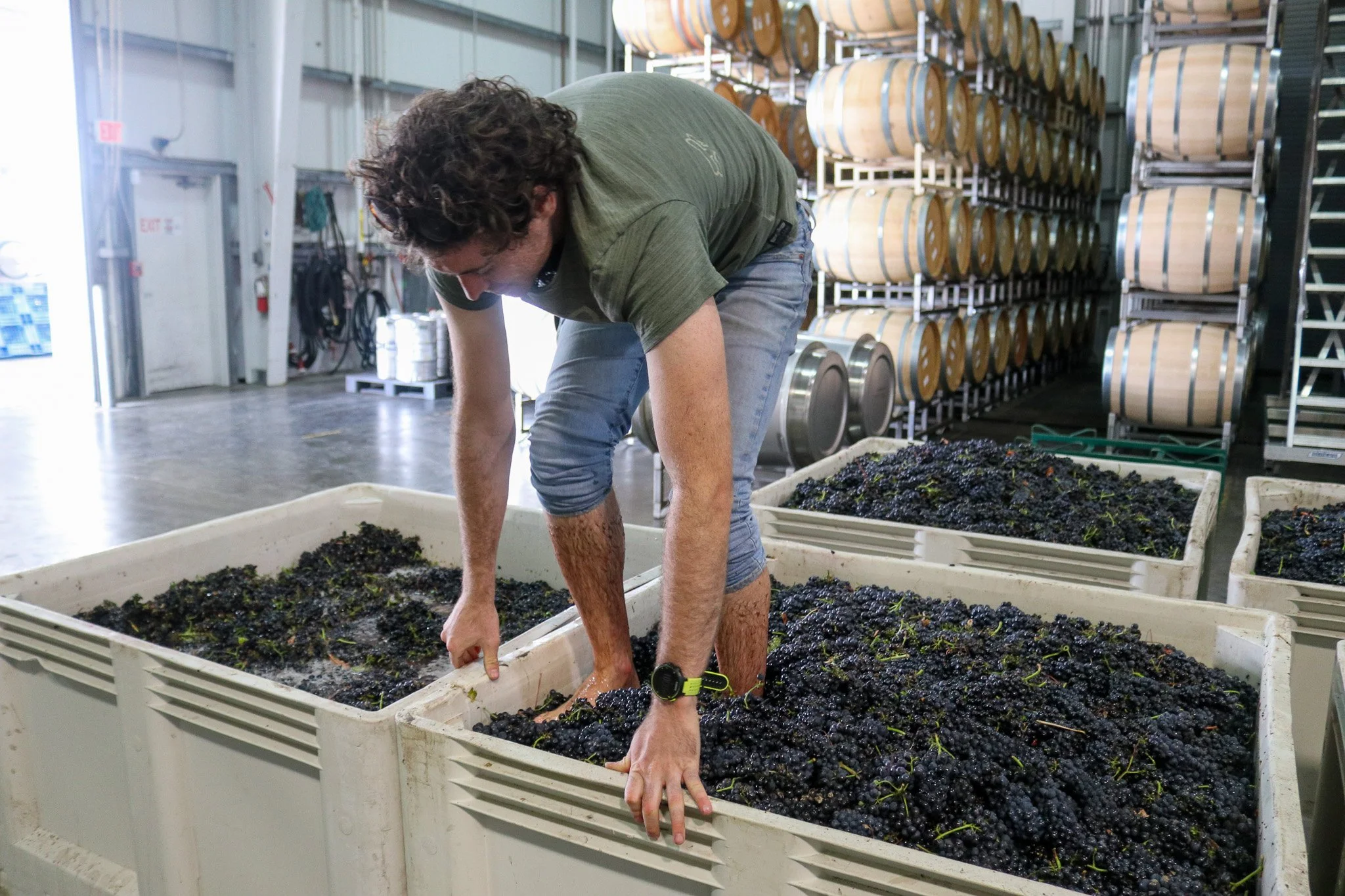
Harvest is often considered one of the most important moments of the winemaking year because there is only one opportunity to pick the fruit at its ideal ripeness.
Harvesting too early may result in wines with higher acidity and less developed fruit flavors. Waiting too long can produce wines with higher alcohol and riper, richer characteristics. The winemaker's goal is to find the balance that best reflects both the vineyard and the intended style of wine.
Harvest at Stephen Ross Wine Cellars
At Stephen Ross Wine Cellars, harvest is the culmination of months of work in the vineyard. Our team carefully monitors each vineyard throughout the growing season, evaluating fruit maturity and working closely with growers to determine the ideal time to harvest each block.
Because many of the vineyards we work with are located in California's cool-climate Central Coast, grapes often develop vibrant acidity, expressive aromatics, and balanced flavors as they ripen. Each vineyard, and each vintage, presents its own unique conditions, making every harvest a little different from the last.
Whether fruit is destined for our estate Pinot Noir, crisp Albariño, Sauvignon Blanc, Chardonnay, or other small-lot wines, every harvest marks the beginning of another vintage and another opportunity to showcase the character of the vineyard.
Frequently Asked Questions
How long does wine harvest last?
Most wineries harvest over several weeks, though larger wineries with many vineyards may continue for two months or more.
What months are wine grapes harvested?
In California, wine grapes are commonly harvested between August and October, depending on the region, weather, and grape variety.
Is harvest the busiest time at a winery?
Yes. Harvest is typically the busiest and most intensive period of the year, with vineyard crews and winery teams working long hours to process fruit at its peak freshness.
Can visitors watch wine harvest?
Some wineries offer harvest tours or special experiences during the season, while others focus on production and do not allow public access. Availability varies by winery.