
HOW TO STORE WINE PROPERLY
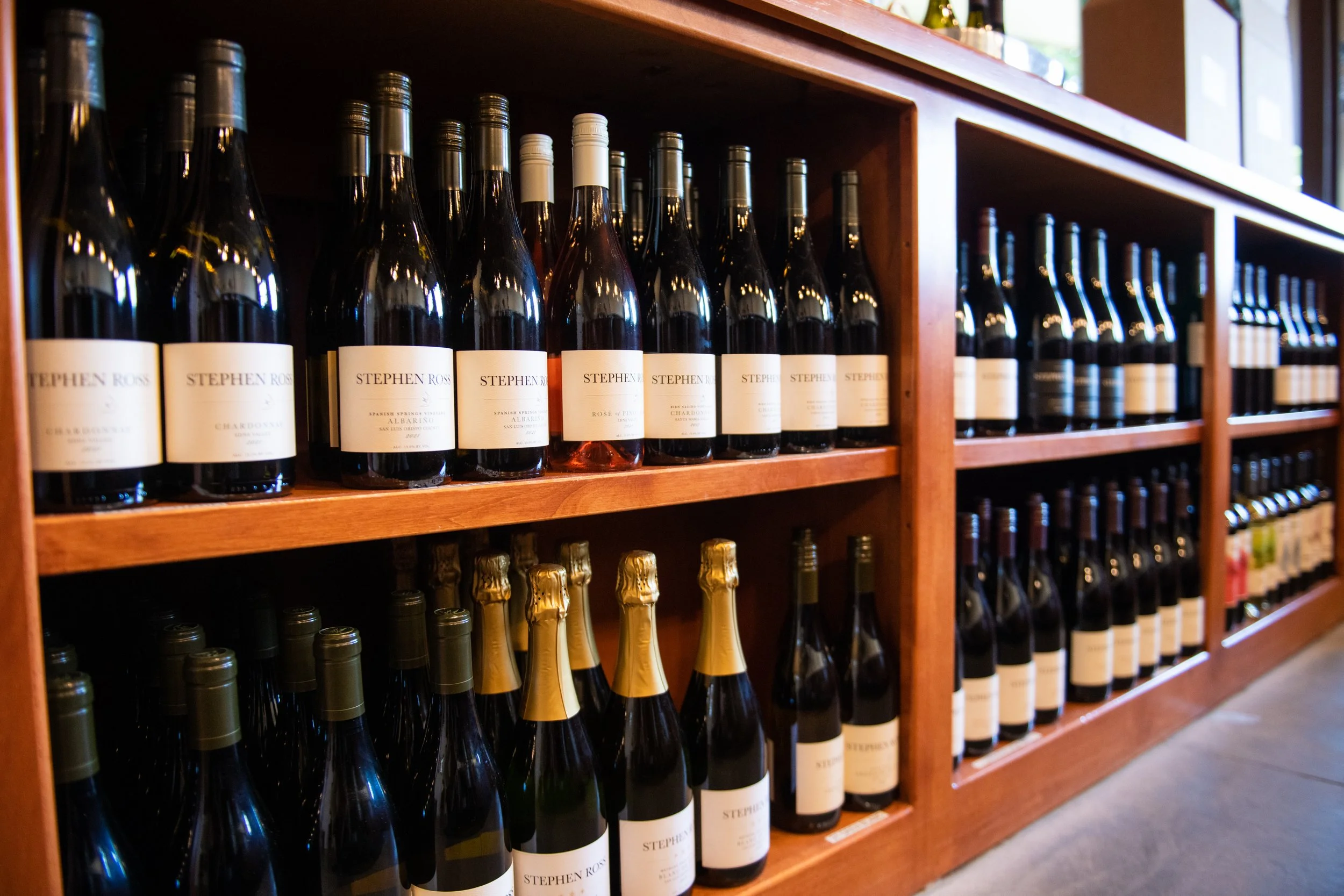
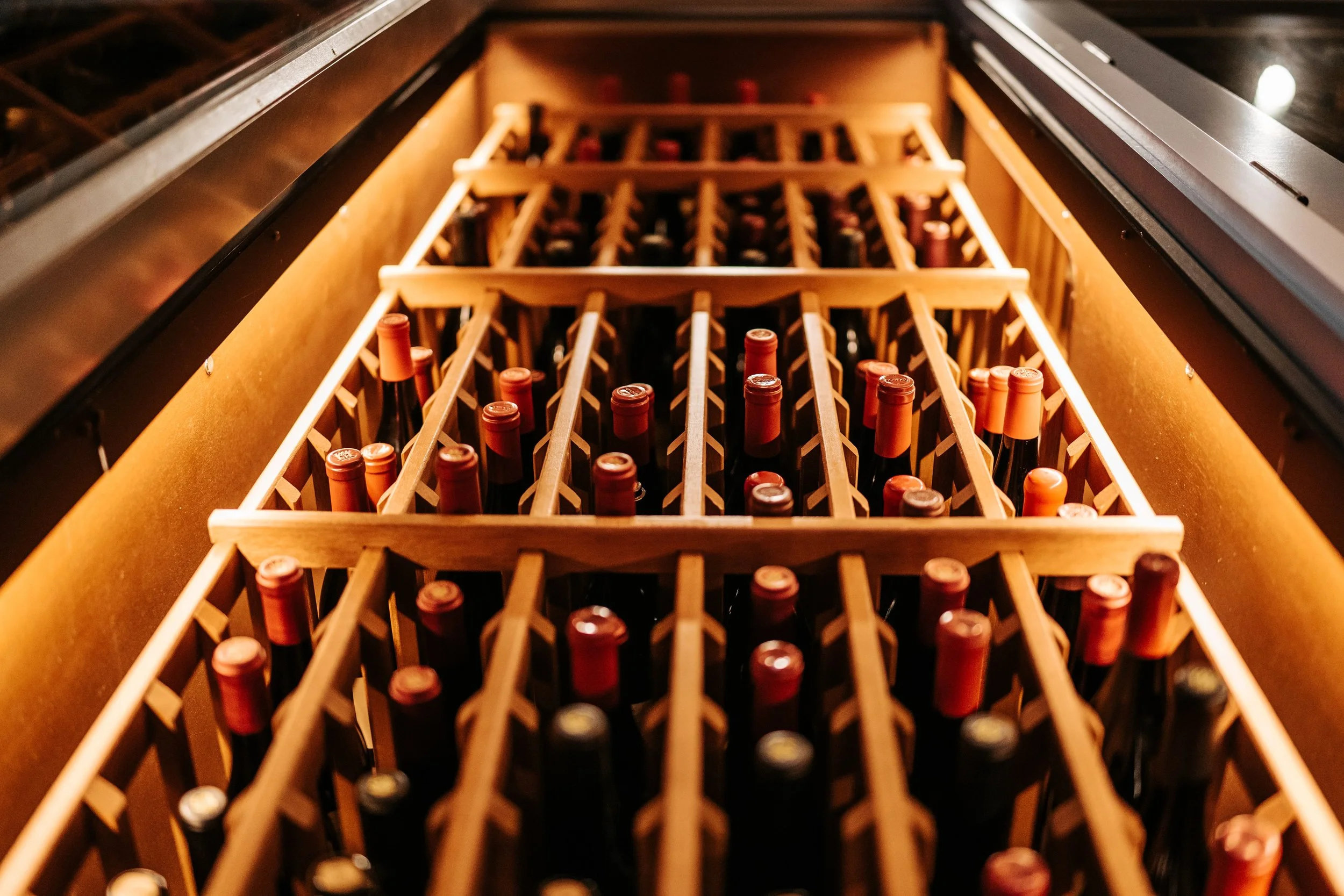
Whether you've purchased a single bottle for dinner or are building a collection to enjoy over time, proper wine storage can help preserve a wine's flavor, aroma, and overall quality. While some wines are meant to be enjoyed soon after purchase, nearly every bottle benefits from being stored under the right conditions.
The good news? You don't need a professional wine cellar to store wine properly. By controlling a few key factors such as temperature, light, humidity, and bottle position, you can help ensure every bottle is ready to enjoy when the time comes.
What Is the Best Temperature for Storing Wine?
Temperature is the single most important factor in wine storage.
Most wines are best stored at a consistent temperature between 55–60°F (13–16°C). More important than hitting the exact number is avoiding large temperature fluctuations, which can cause wine to age more quickly or damage the cork over time.
If you don't have a wine refrigerator or cellar, choose the coolest, most stable place in your home, such as:
An interior closet
A basement
A pantry away from appliances
A dedicated wine refrigerator
Avoid storing wine in garages, attics, or other areas where temperatures regularly rise or fall throughout the day.
Should Wine Be Stored on Its Side?
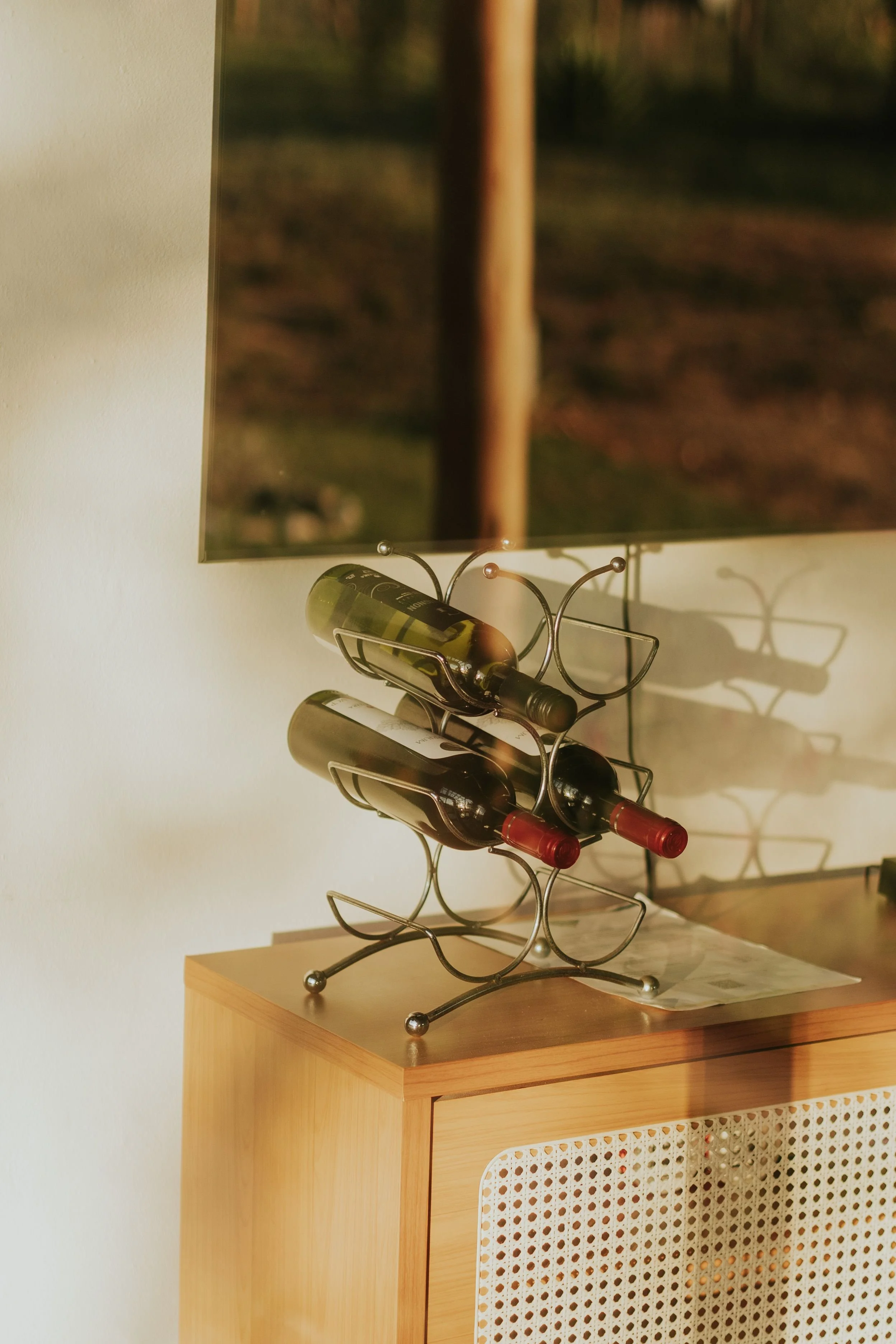
If a bottle is sealed with a natural cork, storing it on its side helps keep the cork in contact with the wine, which may prevent it from drying out over long periods.
Bottles with screw caps or synthetic corks can be stored upright or on their side, making organization a matter of personal preference.
Does Light Affect Wine?
Yes. Prolonged exposure to sunlight or bright artificial light can gradually affect a wine's quality, particularly delicate white wines and sparkling wines.
For best results, store wine in a dark location or inside a cabinet where bottles are protected from direct light.
What About Humidity?
If you're aging wine for several years, moderate humidity—around 60–70%—can help keep natural corks from drying out.
For wines you'll enjoy within a year or two, humidity is generally less important than maintaining a cool, consistent temperature.
Can Heat Ruin Wine?
Excessive heat is one of wine's greatest enemies.
When wine is exposed to temperatures above about 70°F for extended periods, it can age prematurely and lose freshness, balance, and aroma. Temperatures above 80°F increase the risk of permanent damage.
That's why wineries often delay shipping during periods of extreme heat and recommend that customers avoid leaving wine in a hot vehicle for long periods. Even a short time in a parked car on a warm day can expose wine to damaging temperatures.
Should Red and White Wine Be Stored Differently?
Both red and white wines benefit from the same cool, stable storage conditions.
The biggest difference comes when it's time to serve them.
White wines are generally served chilled.
Red wines are often best enjoyed slightly below room temperature.
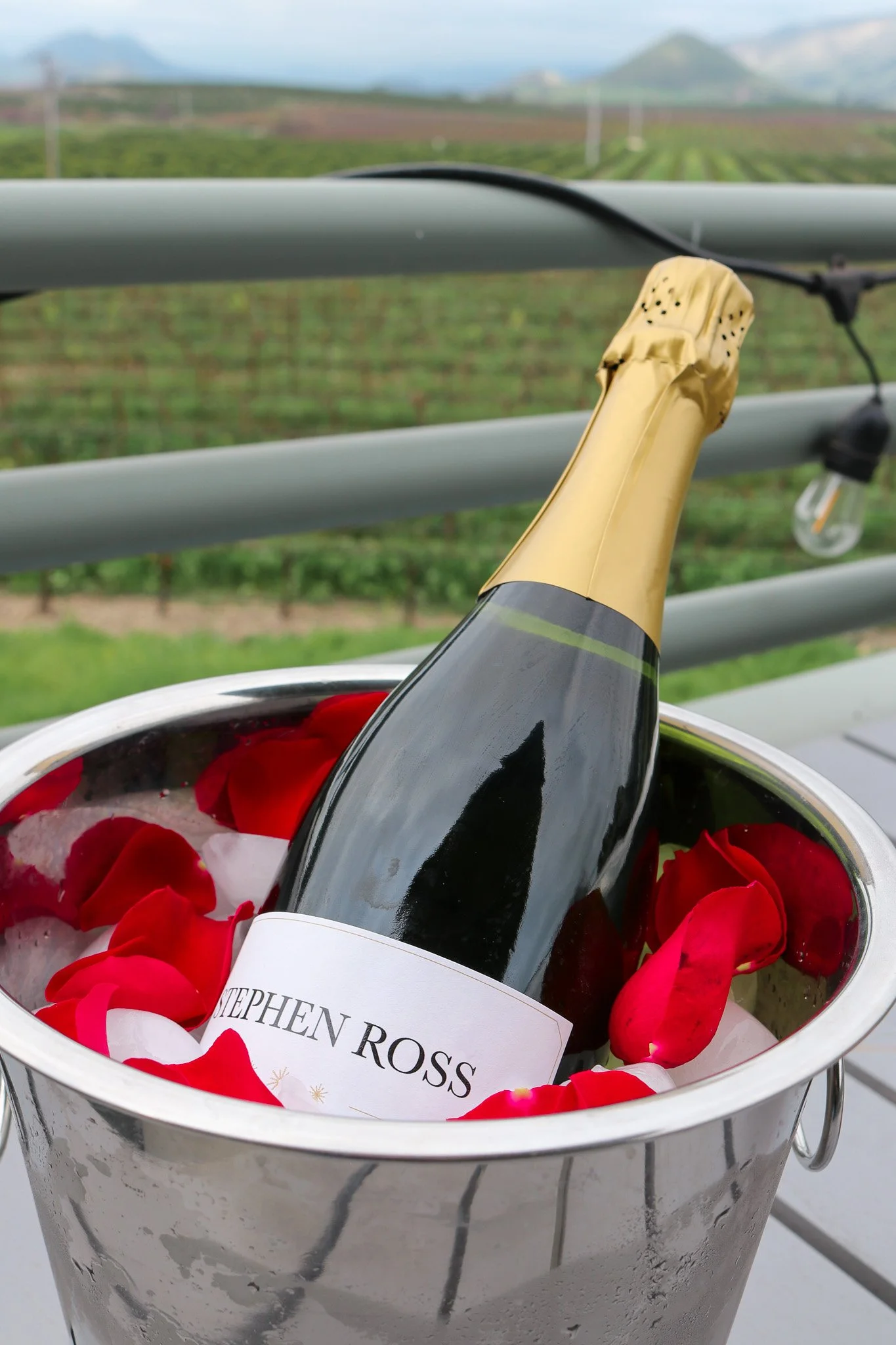
Sparkling wines should be well chilled before serving.
Storing all wines at a consistent temperature and chilling them before serving, if needed, is perfectly acceptable for most home collections.
How Long Can Wine Be Stored?
It depends on the wine.
Many fresh white wines, rosés, and everyday reds are designed to be enjoyed within a few years of release.
Higher-quality wines with balanced acidity, tannins, and structure may continue to develop beautifully for many years when stored properly.
If you're unsure about a particular bottle, the winery can often provide recommendations for its ideal drinking window.
Common Wine Storage Mistakes
To help your wine stay in its best condition, avoid these common mistakes:
Storing wine next to ovens, dishwashers, or heating vents.
Leaving bottles in a hot car.
Keeping wine in direct sunlight.
Frequently moving bottles between warm and cool locations.
Storing wine in places with dramatic seasonal temperature changes.
A stable environment is almost always better than chasing the "perfect" storage conditions.
Frequently Asked Questions
Should wine be refrigerated?
For long-term storage, a standard household refrigerator is not ideal because it's colder and drier than recommended. However, refrigerating white, rosé, and sparkling wines before serving is encouraged, and opened bottles of any wine should generally be refrigerated to help preserve freshness.
How long does opened wine last?
Most opened wines remain enjoyable for 3–5 days when recorked and refrigerated, though sparkling wines are often best within 1–3 days. The exact lifespan depends on the style of wine and how it's stored.
Can I store wine in the kitchen?
Only if it's away from heat and sunlight. Kitchens often experience temperature fluctuations from cooking and appliances, making them less suitable for long-term storage.
Do I need a wine refrigerator?
Not necessarily. A wine refrigerator provides excellent temperature control, but many people successfully store wine in a cool, dark, and consistent environment within their home.
Enjoy Every Bottle at Its Best
Whether you're saving a special bottle for a future celebration or planning to enjoy it this weekend, proper storage helps preserve the care and craftsmanship that went into every vintage.
At Stephen Ross Wine Cellars, we recommend storing wine in a cool, dark place with a consistent temperature and avoiding prolonged exposure to heat whenever possible. A few simple storage habits can help ensure each bottle is ready to be enjoyed just as it was intended.